How to Grow Roses in Pots or Small Gardens
Potted roses warm earlier in spring. They also move when summer heat becomes rude. That flexibility helps when growing roses for specific times of the year, including festive ones
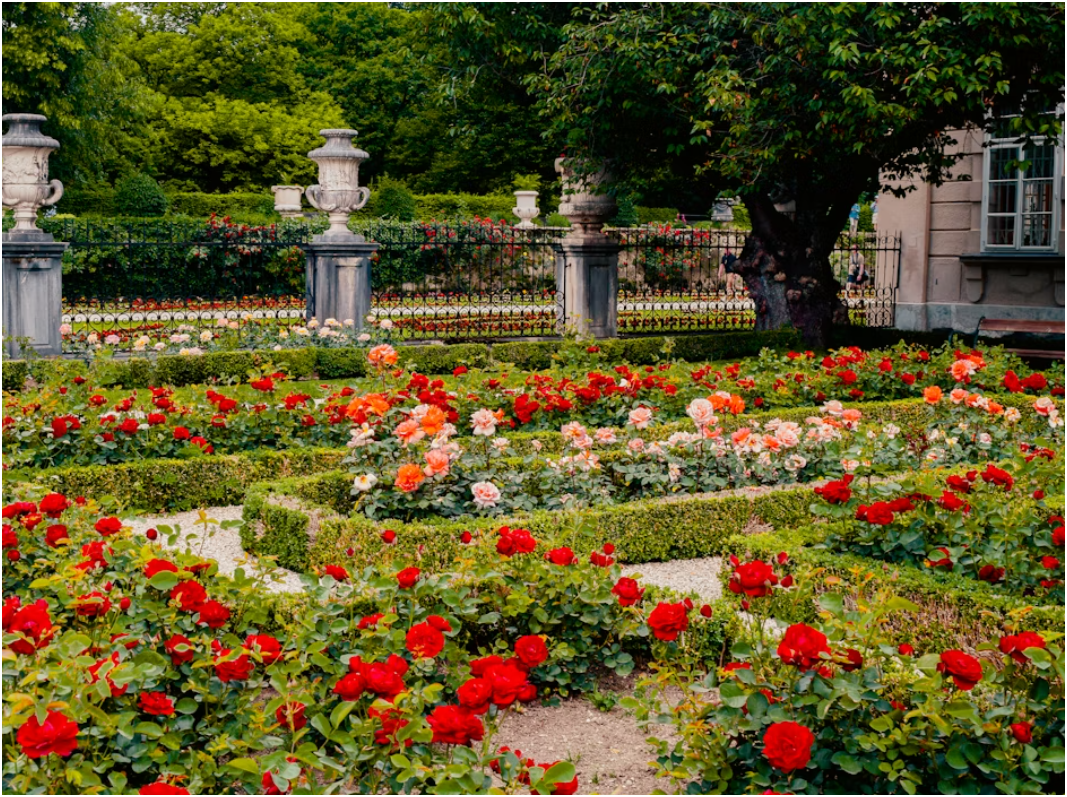
Roses have a reputation for being difficult, but that story is tired. With the right rhythm and a little attention, roses grow well in pots, balconies, and tight garden corners. You do not need acres of land or fancy gear. What you need is patience, timing, and a willingness to notice small changes.
If space is limited, growing roses in containers gives more control. Soil stays cleaner. Water stays focused. And the plant grows where you place it, not where it pleases.
Let’s walk through it, step by step.
Why Pots Work Better Than You Think
Small gardens come with limits. Pots turn those limits into choices. You decide where the rose sits, how much sun it gets, and when it needs rest. That control matters, especially when seasons shift fast.
Potted roses warm earlier in spring. They also move when summer heat becomes rude. That flexibility helps when growing roses for specific times of the year, including festive ones. Many gardeners plan ahead for growing roses for valentine’s day because timing matters more than luck.
Choosing the Right Pot and Placement
Pot Size Matters More Than Style
Skip shallow containers. Roses want depth. A pot at least 12–16 inches deep gives roots room to stretch and hold moisture. Drainage holes are not optional. Roots sitting in water rot quietly.
Clay pots breathe better. Plastic pots stay lighter. Both work. Pick what suits the space, not trends.
Sun Is Non-Negotiable
Roses want six hours of sun, minimum. Morning sun works best. It dries leaves early and keeps disease away. Balconies facing east or south usually behave well.
Your local nursery or flower shop in Shippensburg, PA, can suggest you better.
Soil That Doesn’t Suffocate Roots
Garden soil alone feels heavy in pots. Mix it with compost and a bit of sand or coco peat. The goal is soil that drains but still holds moisture.
Press soil lightly. Do not pack it down like cement. Roots breathe too. Before planting, water the soil once. Damp soil settles better around roots.
Selecting Rose Varieties for Small Spaces
Miniature and patio roses behave well in containers. Floribunda types also stay polite if pruned on time.
Those planning seasonal blooms often look for valentine rose plants because they respond well to structured care. If timing lines up, buds appear right when expected.
Some gardeners focus on valentine red rose plants because red varieties bloom reliably when light and feeding stay steady.
Planting Without Stress
Step-by-Step Planting
- Place a layer of broken clay or gravel at the bottom.
- Add soil mix halfway.
- Set the rose so the graft sits just above soil level.
- Fill soil around roots gently.
- Water deeply once planting ends.
This simple routine supports planting roses for valentine schedules when done in early winter or late monsoon, depending on climate.
Watering Without Guesswork
Roses dislike extremes. Dry soil causes stress. Wet soil invites rot.
Check soil with a finger. If the top inch feels dry, water slowly until excess drains out. Early morning watering works best.
During heat spells, pots dry faster. During winter, water less but never forget completely.
Feeding That Feels Natural
Feed roses lightly but often. Compost tea, cow manure, or simple organic feed once every two weeks keeps growth steady.
Too much feed causes leaves without flowers. Slow feeding builds stronger stems, especially when aiming to plant roses for valentine’s day in your home garden.
Pruning Without Fear
Pruning keeps roses honest. Cut dead stems first. Then trim crossing branches. Always cut above a leaf node facing outward.
Pruning feels brutal at first. But it invites fresh growth. For valentine rose gardening, pruning about 6–8 weeks before February helps time blooms.
Timing Blooms for Valentine’s Day
Those aiming for homegrown roses for valentine’s day should plan backward. Count eight weeks from mid-February. That window guides pruning and feeding.
Consistency matters more than tricks. Roses respond to routine.
Even gardeners who grows flowers in Shippensburg, PA follow the same rhythm. Climate changes timing slightly, not the method.
Conclusion: Bring Roses Home Without Waiting
Growing roses at home turns care into reward. Pots make it possible even when space feels tight. With sunlight, steady water, and timely pruning, roses bloom where they stand.
For moments when time runs short or blooms need backup, ordering fresh roses remains a simple choice. Visit Fisher's Florist in Shippensburg to order roses that speak clearly when words hesitate.