The Meaning Behind Halloween’s Black and Orange Colors
Ever wondered why every October turns black and orange? Discover the ancient harvest and Samhain roots behind Halloween’s colors, and how to bring them home.
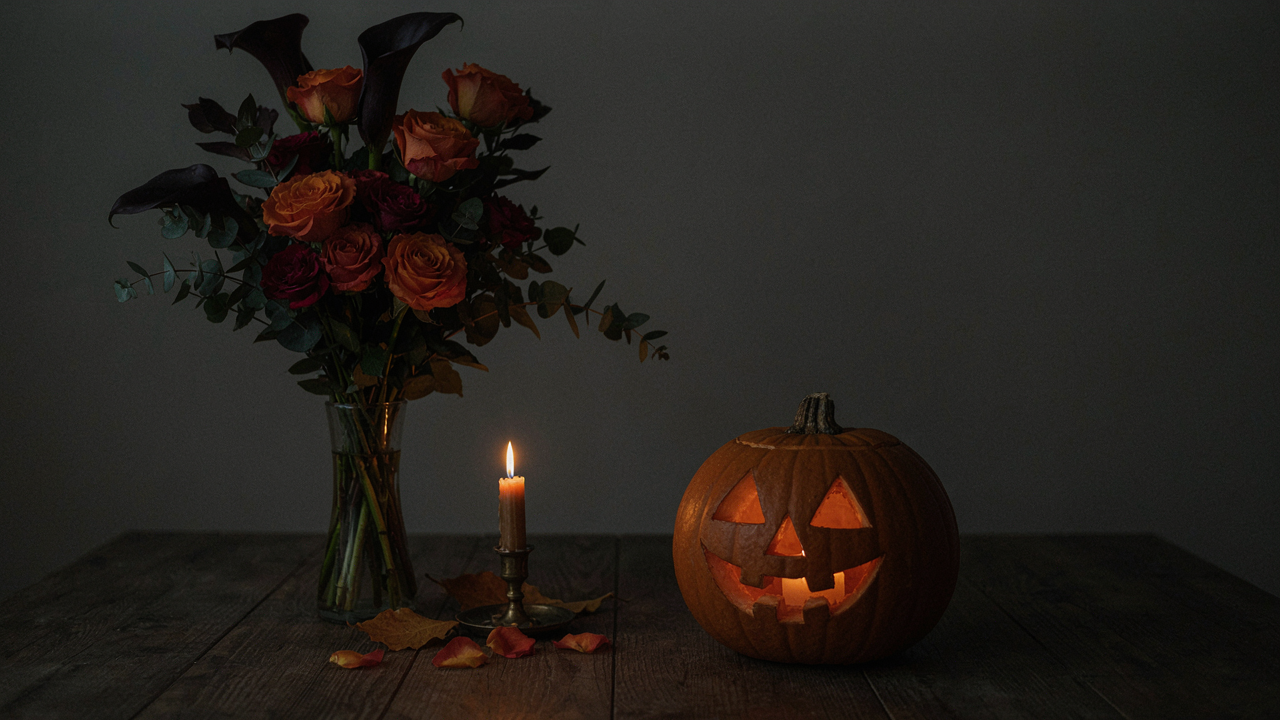
Every October, stores put up aisles of plastic bats, paper pumpkins, and paper plates. You probably see them every single week without thinking much about them. Still, two shades dominate the shelves from ceiling to floor. Have you ever stopped while holding a candy bar and asked why Halloween is black and orange?
Those colors did not appear by accident. People did not sit around one morning and guess what looked neat. The combination goes back centuries into old harvests and ancient fires, and as a Shippensburg florist, we see those same rich shades come alive in our seasonal flowers every October.
The Fire and Earth Behind the Orange
Orange feels loud. It sits right in your face. When we look at Halloween color history, orange ties straight to the ground beneath our boots.
Long ago, farmers in Europe finished harvesting their fields before bad frost killed their plants. Squash, pumpkins, turning leaves, and wheat all carried shades of amber and rust. Orange meant plenty of food on the table to survive the cold months.
Besides the crops, people built massive outdoor bonfires. The flames cut straight through the cold mist at dusk. Orange represented warmth, light, life, and heat when the sun started setting earlier each afternoon. So, naturally, the color carries that cozy yet urgent feeling of the harvest ending.
The Night and Silence Behind the Black
Then you get the dark half. When you study Halloween color symbolism, black stands for the exact opposite of the harvest blaze.
Winter was dangerous back then. The sun disappeared, plants died, and people had to stay indoors for months. Black represented the dark months ahead, the literal night, and human mortality.
The Celtic festival of Samhain happened right at the end of October. People believed the thin curtain between the living and the dead opened up for a short time. Black honoured ancestors and marked the quiet chill of death. In fact, wearing black helped people blend into the dark night so wandering spirits would walk right past them without noticing.
How the Shades Came Together Over Time
When you stick those two pigments side by side, you get an odd visual balance. It is essentially life meeting death at midnight.
Ancient Roots to Porch Decor
The blend of black and orange Halloween traditions travelled across the ocean with Irish immigrants during the nineteenth century. They brought folktales, turned turnips into lanterns, and eventually switched to native American pumpkins because carving them was much easier.
A Yearly Cycle
Honestly, the pair works because it acts like a clock. Orange shows the warmth we are leaving behind. Black marks the frozen quiet we are stepping into. It makes sense.
Looking Beyond the Standard Palette
While orange and black rule the season, other shades sneak in around late October. Even though they are not the main traditional Halloween colors, they explain extra pieces of the spooky season:
- Purple: This shade often represents magic, midnight skies, and mystery because old dyes were rare and felt supernatural.
- Green: Think of bubbling cauldrons, monsters, and eerie slime; green usually signals unnatural things or decay.
- White: It echoes pale ghosts, clean bones, and spirits floating across dark yards.
Still, none of these shades carry the meaning that orange and black have built over hundreds of years. Purple, green and white do shine in flowers for any occasion, though, so they’re easy to mix into your seasonal decor.
Decorating Your Home with Seasonal Shades
You can skip cheap plastic skeletons and use real nature to capture these black and orange Halloween colors. Natural elements like dark calla lilies, orange marigolds, and deep foliage bring the harvest right inside your house. Working with seasonal Halloween colors lets you celebrate the real history without creating a bunch of plastic trash.
If you want to bring the seasonal spirit indoors, fresh fall flowers do the trick instantly. You can easily pick up bright arrangements from a trusted florist in Shippensburg, PA every autumn. Setting a centerpiece of Halloween flowers on the dinner table connects your living room straight back to those original harvest celebrations.
Plan your holiday decor early this year and schedule a fast Halloween flower delivery in Shippensburg, PA by visiting Fisher's Florist to order your seasonal arrangements today.